
The best deck railing matches your decking material in style and tone while meeting your local code requirements for height and baluster spacing. Composite railing pairs naturally with composite decking for a cohesive, low-maintenance look, while aluminum, cable, or glass railing can add contrast and visibility. Outdoor Specialties, located in Eldersburg, Maryland, helps homeowners and contractors throughout Carroll County compare railing systems from Trex, TimberTech, Fiberon, Azek, and Wolf Home Products side by side in its showroom before committing to a final decision.
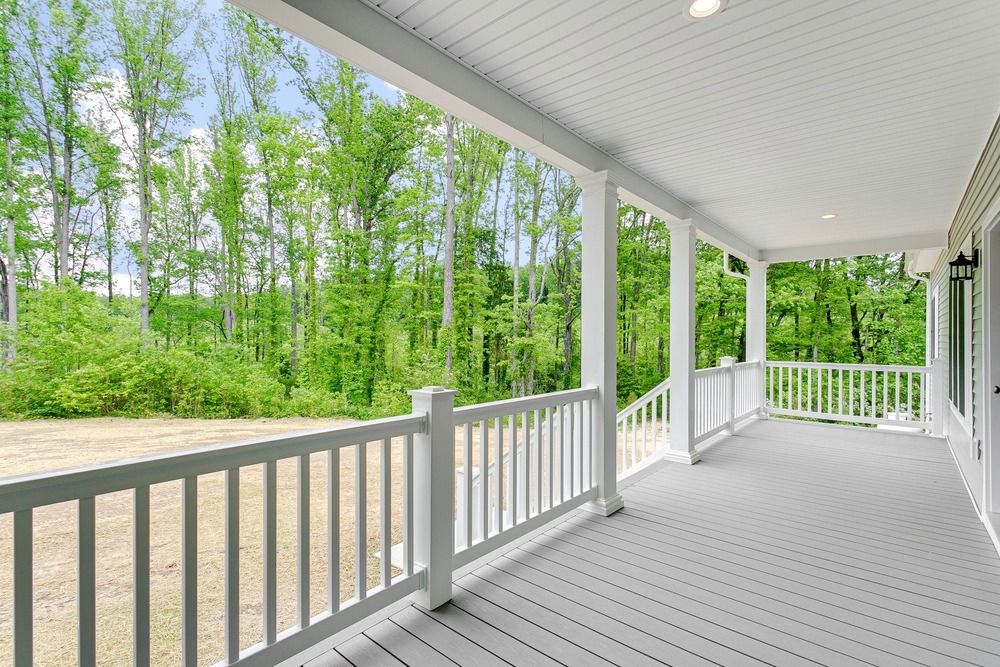
Most homeowners spend weeks researching decking boards, comparing colors, textures, and brands until they land on the perfect material. Then railing becomes an afterthought, selected in the final ten minutes of a project simply because it needs to go somewhere. That approach rarely produces the result homeowners actually pictured.
Railing accounts for a significant portion of a deck’s visible surface area, particularly on raised decks or decks with multiple levels. It frames the entire structure, draws the eye, and either reinforces the design you worked hard to achieve or quietly undermines it. Choosing deck railing deserves the same level of consideration as choosing the decking boards themselves.
Why Railing Material Matters as Much as Decking Material
Decking and railing don’t need to be identical, but they do need to work together. A mismatch in finish, tone, or style can make an otherwise well-built deck look disjointed. Three factors determine whether railing complements decking: color coordination, material consistency, and sightline balance.
Color coordination means choosing railing tones that either match the decking or intentionally contrast with it. Warm-toned composite decking, like Trex Transcend in Spiced Rum, pairs well with railing in a complementary earth tone rather than a stark white that competes for attention.
Material consistency refers to how materials age and perform together. Pairing a premium composite deck board with a lower-grade vinyl railing can create a visible quality gap over time, especially as one material fades or weathers differently than the other.
Sightline balance is about how much the railing obstructs the view. A deck overlooking a wooded lot or a pool often benefits from a railing system with thinner lines or more open sightlines, such as cable or glass, while a deck closer to the street may benefit from a more substantial, private railing style.
What Are the Main Types of Deck Railing?
Composite Railing
Composite railing is manufactured from the same wood-polymer blend used in composite decking, which makes it the most natural pairing for homeowners who want a seamless look. Brands like Trex, TimberTech, Fiberon, and Azek all manufacture railing systems designed to match their decking lines color for color. Composite railing resists fading, splintering, and moisture damage, and it typically carries a warranty similar to the decking itself.
Aluminum Railing
Aluminum railing offers a sleek, modern profile with thin balusters that preserve sightlines. It’s powder-coated for durability, available in a range of colors including black, bronze, and white, and requires virtually no maintenance beyond occasional cleaning. Aluminum works well with both wood and composite decking, particularly for homeowners who want contrast rather than a matched look.
Cable Railing
Cable railing uses horizontal stainless steel cables strung between posts instead of traditional balusters. It’s a popular choice for decks with scenic views, as it maximizes visibility while still meeting code requirements. Cable railing tends to carry a higher price point and is often chosen for its contemporary aesthetic.
Glass Railing
Glass panel railing provides the clearest sightlines of any railing type and works particularly well on elevated decks or decks near pools. It pairs well with nearly any decking material because the glass itself doesn’t compete for visual attention, but it requires more frequent cleaning to stay clear.
Vinyl Railing
Vinyl railing is a budget-conscious option that’s low maintenance and available in white or neutral tones. Wolf Home Products offers vinyl railing systems designed to complement a range of decking styles for homeowners prioritizing affordability alongside durability.
How Do I Choose the Right Railing Style for My Deck?
Start with your decking brand. Trex, TimberTech, Fiberon, and Azek each design railing collections specifically to coordinate with their decking lines. Starting here narrows your choices immediately and nearly guarantees a cohesive result.
Consider your view. If the deck overlooks a yard, pool, or wooded area worth highlighting, lean toward cable, aluminum, or glass railing for better sightlines. If privacy or a more traditional look is the priority, composite or vinyl railing with closer baluster spacing may be the better fit.
Factor in maintenance expectations. Composite, aluminum, and vinyl railing all require minimal upkeep. Cable railing may need occasional re-tensioning, and glass panels need regular cleaning to stay streak-free.
Check local code requirements. Maryland building codes, along with Carroll County and local municipal requirements, govern railing height (typically a minimum of 36 inches for residential decks) and baluster spacing (generally no more than 4 inches between balusters). These requirements apply regardless of material, so confirm specifications before finalizing a design.
Account for your budget realistically. Railing costs vary significantly by material and style, and prices at big box retailers like Home Depot and Lowe’s often run higher than specialty suppliers for comparable quality. Comparing options directly, rather than relying on online listings alone, makes it easier to find the right balance of style and cost.
Why Seeing Railing and Decking Together Matters
Photos and swatches rarely capture how a railing system will actually look once installed alongside a specific decking color. Lighting, texture, and scale all shift the way materials read in person. This is precisely why Outdoor Specialties built two full-sized, two-story indoor deck displays inside its Eldersburg showroom, just 20 miles from Baltimore. Homeowners and contractors can walk the steps, run a hand along the railing, and see exactly how a Trex, TimberTech, Fiberon, Azek, or Wolf Home Products railing system sits next to the decking board under consideration, before a single material is ordered.
Outdoor Specialties’ staff are non-commissioned, which means recommendations are based on what fits the project, not what drives a sale. For contractors sourcing materials for multiple projects, that same team offers consistent product availability and competitive pricing that beats big box retailers, without sacrificing the technical guidance needed to keep jobs on schedule.
Build a Deck That Looks Finished from Every Angle
Decking sets the foundation, but railing finishes the picture. Taking the time to choose a railing system that complements your decking, in color, material, and style, makes the difference between a deck that looks assembled and one that looks designed.
Whether you’re a homeowner planning your first deck build or a contractor sourcing materials for a client in Westminster, Sykesville, or elsewhere in Carroll County, Outdoor Specialties invites you to visit the Eldersburg showroom to see decking and railing combinations in person. Reach out to the team today to ask questions, compare materials, or get a quote for your next project.